.png)
1.8 hours per day. This is the time an employee spends searching for information, according to McKinsey. In HR departments, this time skyrockets: contracts, amendments, supporting documents, historical data...
This guide has one clear goal: to help you compare and choose an HR DMS truly suited to your organization, whether you are an HR Director, IT Director, or involved in a cross-functional HR-IT project.
We analyzed 10 solutions from the French market in 2026 based on over 50 criteria (security, compliance, automation, scalability, support, costs...).
In this guide, we present the 5 decisive criteria for choosing : ease of use, access rights management, HRIS integrations, search, and cross-functionality.
👉 This is not a feature catalog. This is not a sales pitch. 👉 It's a decision guide.
📥 The complete comparison with decision-making guides (40+ detailed criteria) is available for download.
📌 Key takeaways
If your priority is to centralize contracts, payslips and supporting documents while staying interoperable with your HRIS, Efalia Doc brings together HR document management, access rights, classification and automated data exchange without duplicate entry.
Why HR Electronic Document Management Software?
HR documents are never solely for the human resources department. They are used by payroll, managers, management, legal, and employees themselves.
A siloed HR DMS leads to proliferating versions + circumvented channels (email, Drive) + fragile traceability.
Conversely, a well-integrated electronic document management software becomes a shared reference point : a single, secure version, accessible according to permissions.
Source: McKinsey, "The social economy" (July 2012) — 1.8 hours/day lost searching for information = 25% of working time.
Comparison of the Top 10 Electronic Document Management Solutions for Human Resources
Efalia
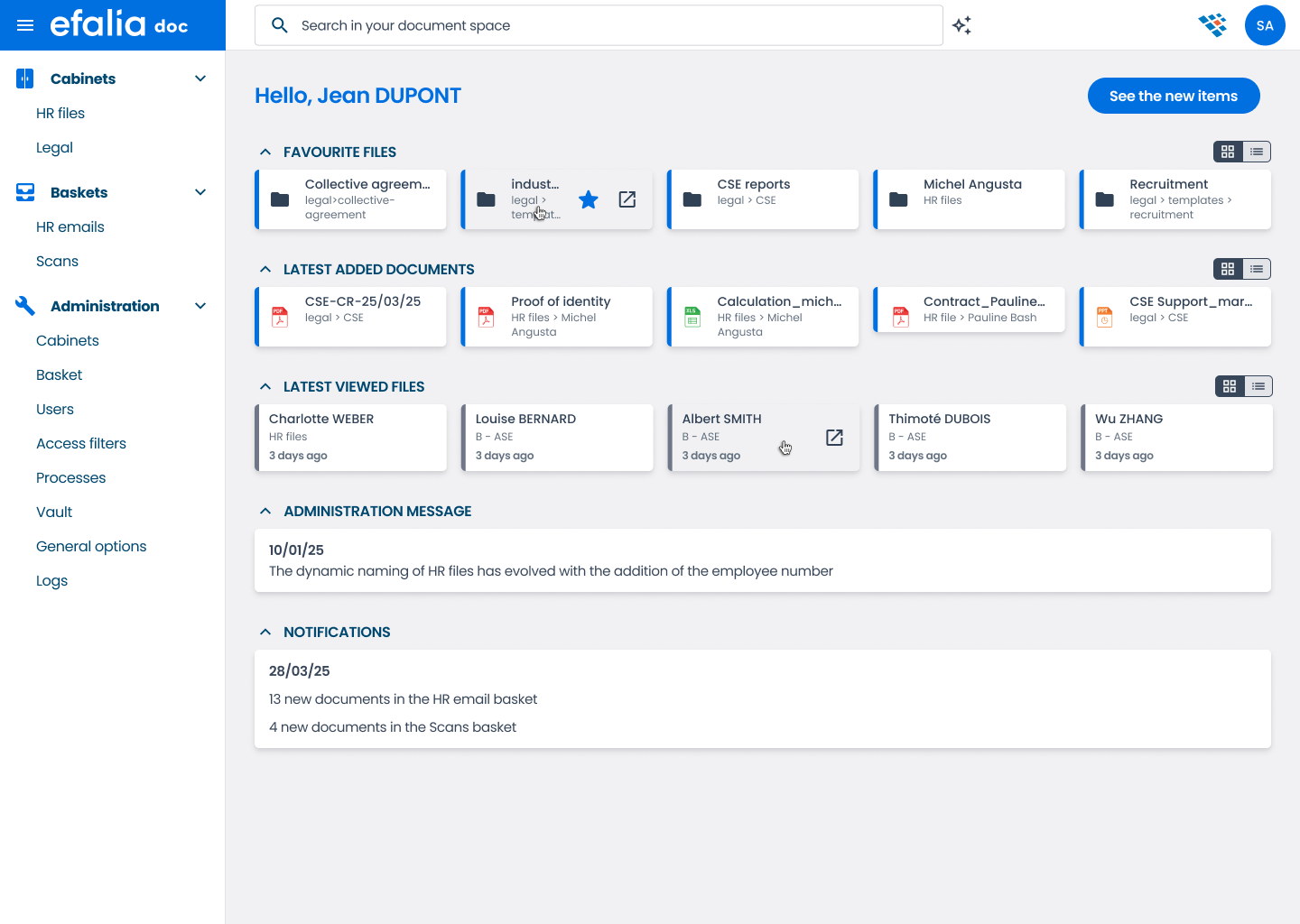
Positioning: Cross-functional platform, public/private sector expertise, highly granular access rights management.
Strengths:
- Deep public sector knowledge : ready-to-use and customizable public sector employee classification plans and Private Sector Expertise : structured support + extensive client portfolio
- Comprehensive Cross-Functionality : contract generation (HRIS data merging) → electronic signature → ECM → probative archiving → portal (A-Z cycle)
- Highly Granular Access Control : HR functional administration (employee sees their documents, manager their team's, HR based on profiles). Segregation by department/region/status. Complete audit trail.
- Broad HRIS Connectors : public sector (Berger-Levrault, Ciril, HR Access, Astre) + private sector (Cegid, SopraHR, Sage, Payfit)
- Intuitive, Certified Accessible Interface : Responsible Digital Label, quick adoption
- RAG Database for AI Agents : your structured HR documents become a knowledge base for LLMs of your choice (no vendor lock-in)
- Scalability: start with HR, extend to Finance/Purchasing. Multi-business architecture
- France-based Hosting / Sovereign Cloud
Note: Premium positioning (not suitable for micro and small businesses), onboarding support is recommended.
Target audience: Local authorities, public institutions, multi-site private mid-market companies, large enterprises.
French Company
In short: Simplicity: ✓✓✓ | Rights Management: ✓✓✓ | HRIS: ✓✓✓ (public + private) | Search: ✓✓✓
Efalia covers the entire HR document lifecycle without juggling multiple tools. Granular access control : an employee only sees their personal documents, a manager sees their team's, and HR administers by profile without relying on IT. Sector-specific expertise : ready-to-use public sector classification plans + structured support for the private sector (extensive portfolio of references).
Simplified search: find a 2019 contract in 10 seconds (Elastic Search + HR filters). Your documents become a RAG database for business AI agents (you choose your LLMs).
Budget: premium justified by cross-functionality and support.
Alfresco
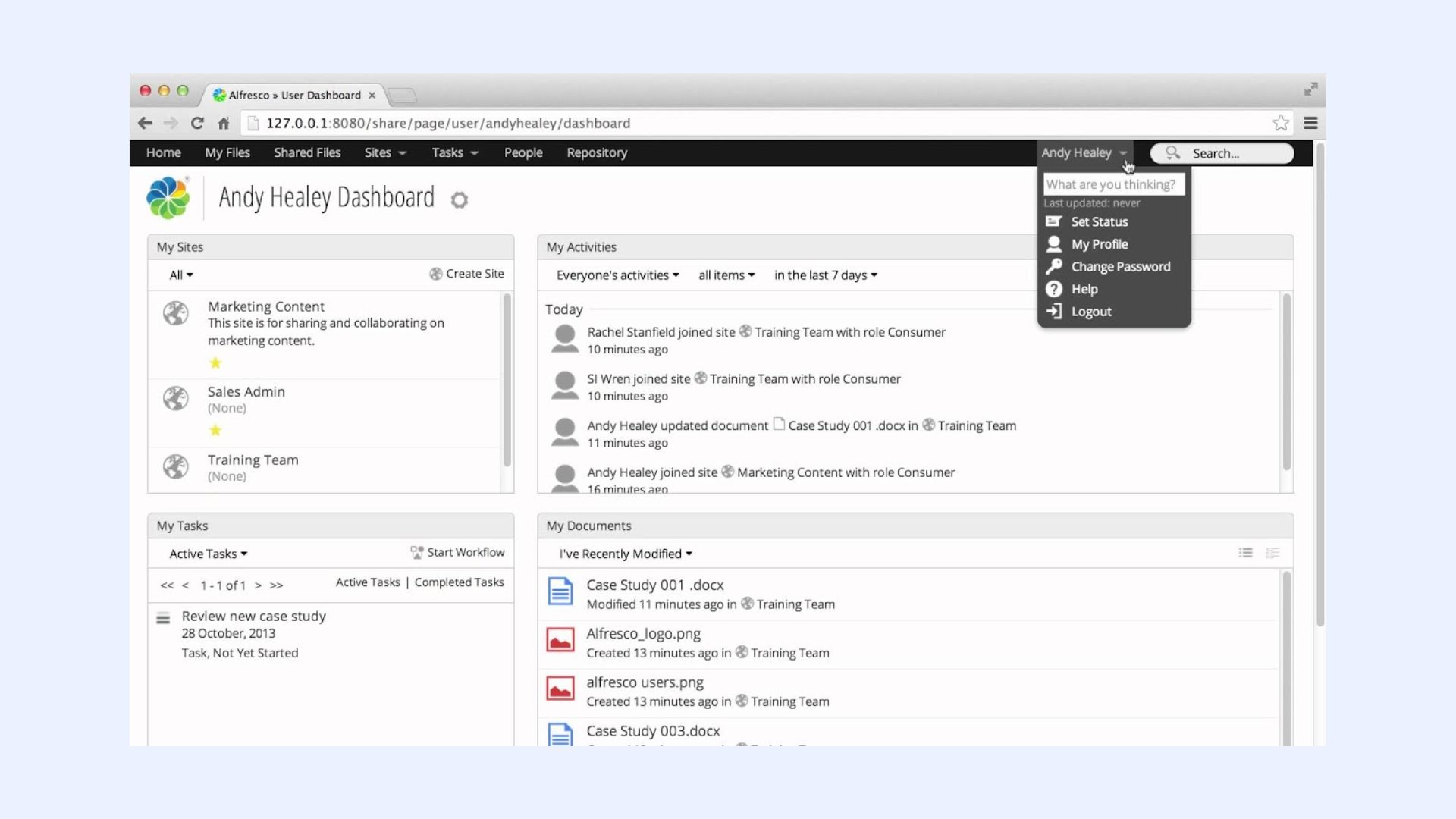
Positioning: Flexible, open-source ECM solution for large technical accounts.
What works well: Open source (cost control), scalable architecture, open APIs. Ideal if you have a mature IT department capable of development and maintenance.
Caution: Technical interface (not designed for HR), complex configuration, HR classification plan to be built from scratch.
Who it's for: Large accounts with internal technical teams and open-source constraints.
US Company
In short: Simplicity: — (Complex) | Rights Management: ✓✓ | HRIS: ✓ (API) | Search: ✓✓
Alfresco = powerful but complex toolkit.
Suited for organizations capable of customization and maintenance.
HRIS integrations via API.
Budget: free license, high implementation costs.
*Alfresco is part of the Hyland group
🌐 www.alfresco.com
DocuWare
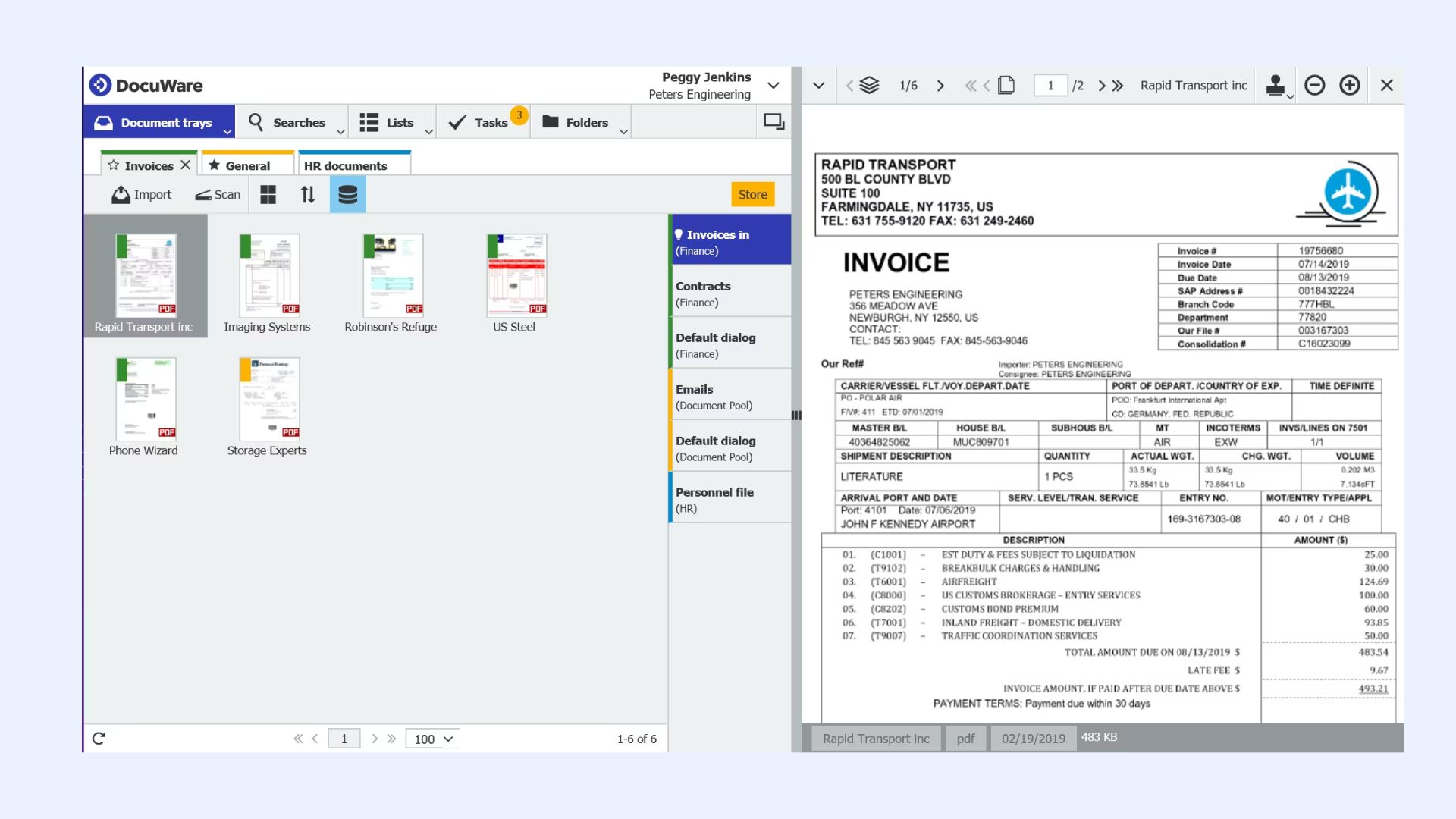
Positioning: Recognized ECM solution, with integrated document AI features and strong automation.
What works: Turnkey AI (automatic HR document classification), powerful search (multiple filters), enterprise ERP integrations (SAP, Oracle). Proven scalability.
Considerations: DocuWare proprietary AI as a DMS feature, rights management via modules (multi-screen navigation), configuration required.
Who it's for: Mid-sized and large private companies (> 1,000 employees) seeking strong AI automation.
German company
In summary: Simplicity: ✓✓ | Rights management: ✓✓ | HRIS: ✓✓ (SAP, Oracle) | Search: ✓✓✓
DocuWare automates and extracts structured data. Fast search with relevant filters. Rights management is available but administered via separate modules.
Budget: premium.
🌐 www.docuware.com
ELO

Positioning: German publisher, mid-range, strong presence in Central Europe.
Strengths: Stable solution (25+ years), good value for money, configurable rights management, European support.
Considerations: Aging interface, HRIS integrations via API, less visibility in France.
Target Audience: Mid-sized companies looking for a mid-range alternative, organizations with European subsidiaries.
German Company
In short: Simplicity: ✓ | Rights Management: ✓✓ | HRIS: ✓ (API) | Search: ✓✓
Functional but aging interface (UI less modern than recent solutions). Configurable rights management (by user, group, department) but technical administration. HRIS integrations via generic APIs (development or integrator required). Efficient search but HR filters need configuration. Budget: mid-range.
🌐 www.elo.com
M-Files
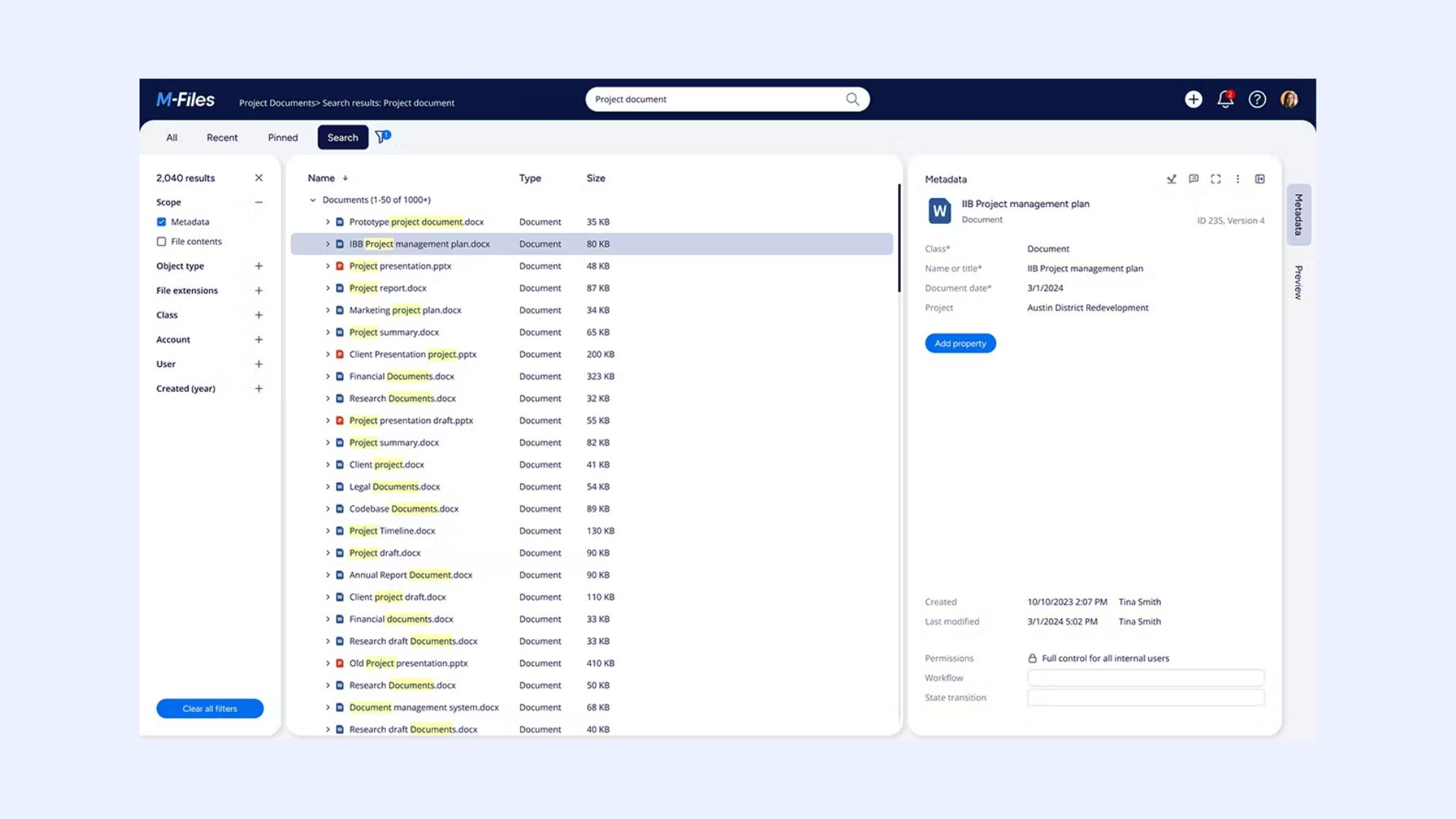
Positioning: 100% metadata-driven solution (no folder structure), powerful search.
What works well: Metadata search (instantly find "Dupont permanent contract 2023"), robust SAP/Dynamics integrations, metadata-based rights management (fine granularity).
Considerations: Metadata approach can confuse users accustomed to traditional folder structures (learning curve), no native ESS portal.
Who is it for: Mature IT organizations, large volumes of data, companies using SAP/Microsoft ERPs.
Finnish Company
In short: Simplicity: ✓ (Learning curve) | Rights management: ✓✓ | HRIS: ✓✓ (SAP, Dynamics) | Search: ✓✓✓
A 100% metadata-driven approach can be disorienting for users accustomed to traditional folder structures (training required). Powerful for large volumes. Granular rights management (metadata "Employee ID=12345" = employee only sees their own documents). Robust SAP/Dynamics integrations. However: significant paradigm shift (training required).
Budget: premium.
🌐 www.m-files.com
NeoLedge
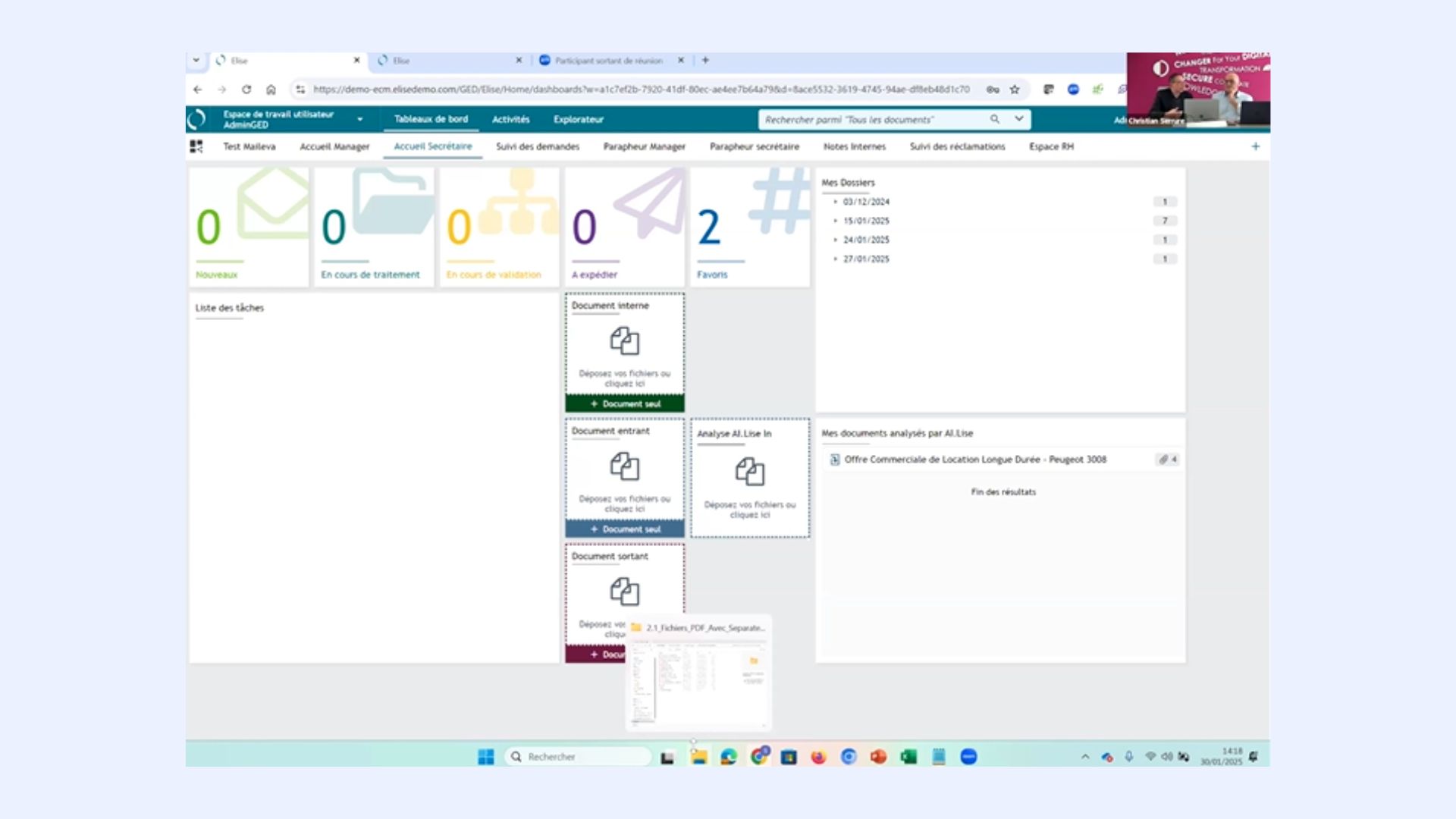
Positioning: Specialist in electronic approval workflows + ECM, with a strong foothold in the public sector.
Strengths: Integrated electronic approval workflow (contract signing, multi-level validation of official documents), mail management, administrative hierarchy rights management.
Considerations: Cluttered interface if only simple HR ECM is needed; HRIS integrations via API (no native connectors).
Ideal for: Local authorities seeking integrated electronic approval workflows + HR ECM, with complex validation processes.
French company
In plain terms: Simplicity: ✓ | Rights Management: ✓✓ | HRIS: ~ (API) | Search: ✓✓
NeoLedge excels in validation workflows: HR decisions automatically route from HR Director → Director General of Services → Elected Officials with electronic signature.
Rights management by hierarchical profiles.
Budget: mid-range for the public sector.
🌐 www.neoledge.com
Nexpublica
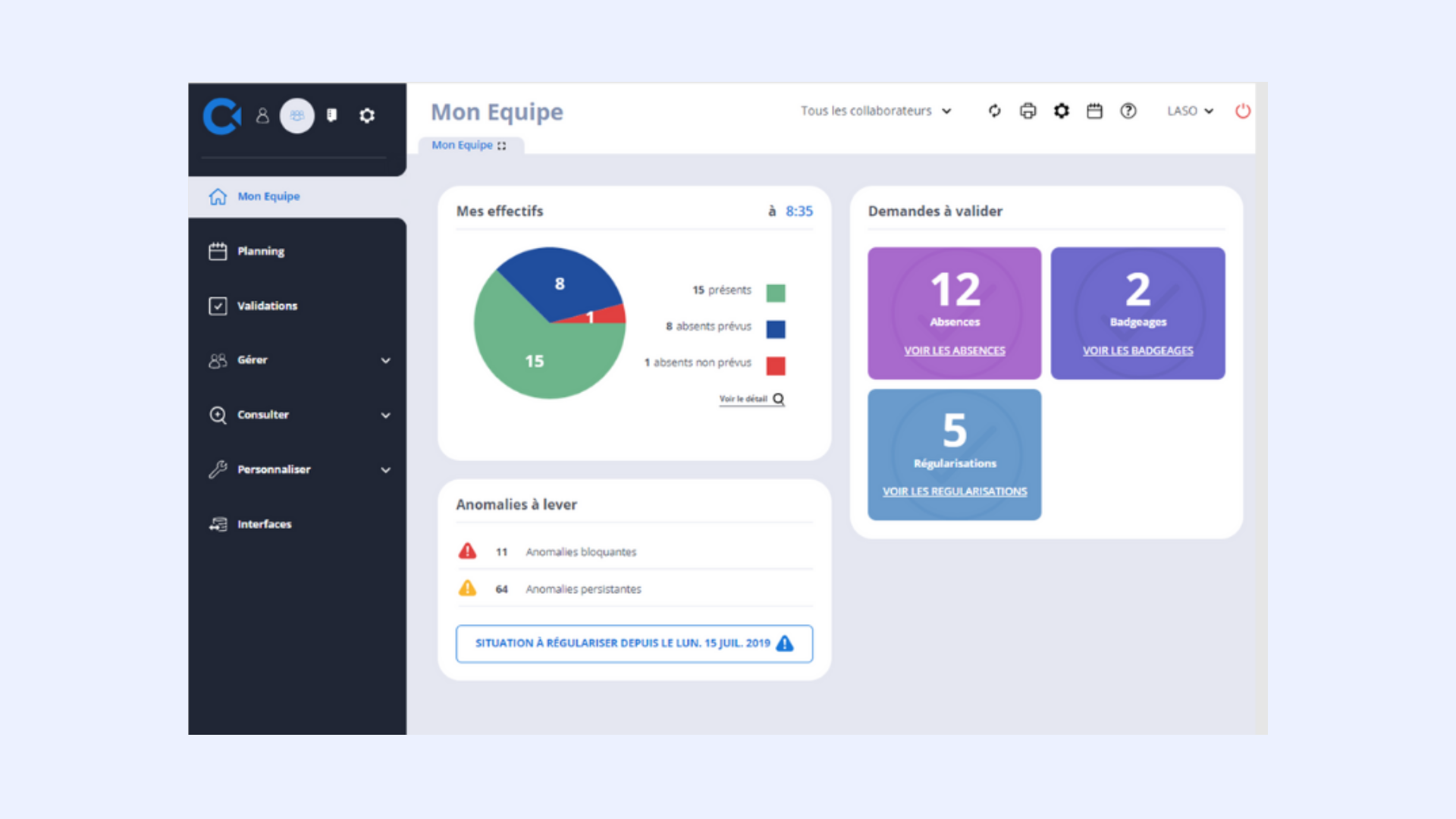
Positioning: French publisher specializing exclusively in the public sector.
Strengths: Pure FPT expertise (native public employee classification plan), regulatory knowledge of local authorities, public HRIS integrations, territorial rights management.
Limitations: Public sector only (cannot manage private employees even for SPL/SEM entities), no multi-business scalability.
Target Audience: Local authorities, pure public establishments (municipalities, departments, CCAS).
French Company
In summary: Simplicity: ✓ | Rights management: ✓✓ | HRIS: ✓ (public sector) | Search: ✓✓
Functional interface tailored for the public sector: ready-to-use FPT classification plan, native regulatory compliance (50-year retention for employees).
Rights management with territorial compartmentalization. However: public sector only.
Budget: Mid-range for the public sector.
🌐 www.nexpublica.fr
Open Bee
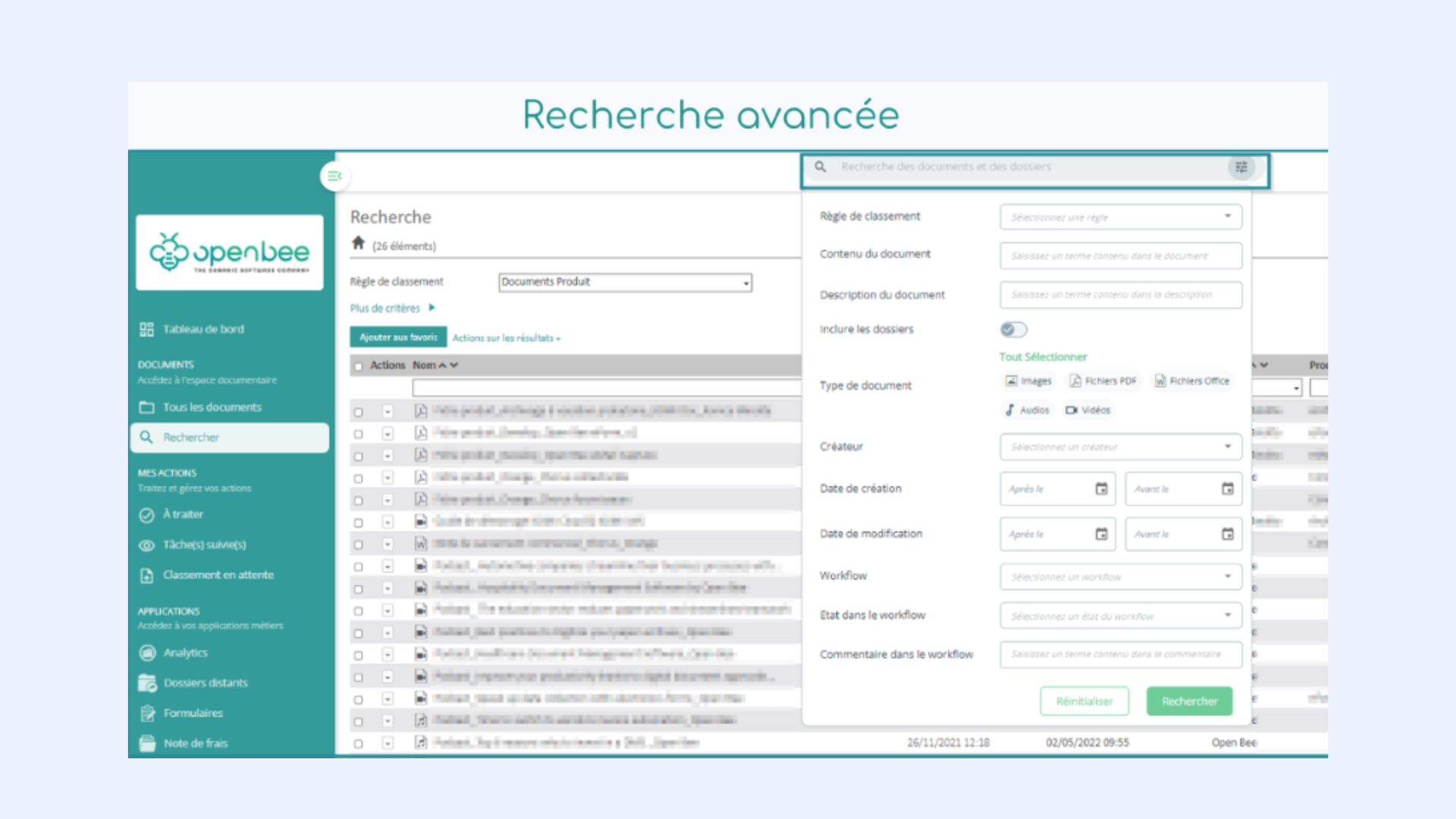
Positioning: Specialist in evidentiary archiving and regulatory compliance.
Strengths: Legally compliant archiving certified NF Z42-013, electronic vault (secure payslips), compliance expertise (HR GDPR, health HDS), secure rights management with traceability.
Limitations: Focus on archiving/compliance (limited cross-functional features), no modern ESS portal, archiving-oriented interface.
Target Audience: Organizations with significant compliance requirements (hospitals, finance), mandatory evidentiary archiving.
French Company
In summary: Simplicity: ✓ | Rights Management: ✓✓ | HRIS: ✓ | Search: ✓✓
Archiving/compliance-oriented interface (less intuitive for daily HR DMS use). Secure rights management with full traceability (watertight partitioning, detailed logs). HRIS integrations possible but focus on probative archiving (long-term retention, legal value). Efficient archiving-oriented search
🌐 www.open-bee.com
OpenText

Positioning: International ECM, enterprise suite for complex HR environments.
What works: Comprehensive ECM suite, extreme scalability (50,000+ employees), major ERP integrations (native SAP HR, Oracle HCM), enterprise rights management (complex multi-site/country profiles), advanced search.
Caution: Significant complexity (dedicated technical teams required), high costs (licenses + implementation + maintenance), deployment.
Best for: Large international accounts (> 5,000 employees), complex multi-system HR environments.
Canadian company
In short: Simplicity: ✓ (Complex) | Permissions management: ✓✓✓ | HRIS: ✓✓✓ (SAP HR, Oracle HCM) | Search: ✓✓✓
OpenText = Complete ECM suite requiring dedicated technical teams (mature IT department required). Ultra-advanced permissions management. Ultra-advanced permissions management (matrix hierarchies). Native SAP HR/Oracle HCM integrations. However: oversized for mid-market companies. Budget: very premium.
🌐 www.opentext.com
Zeendoc
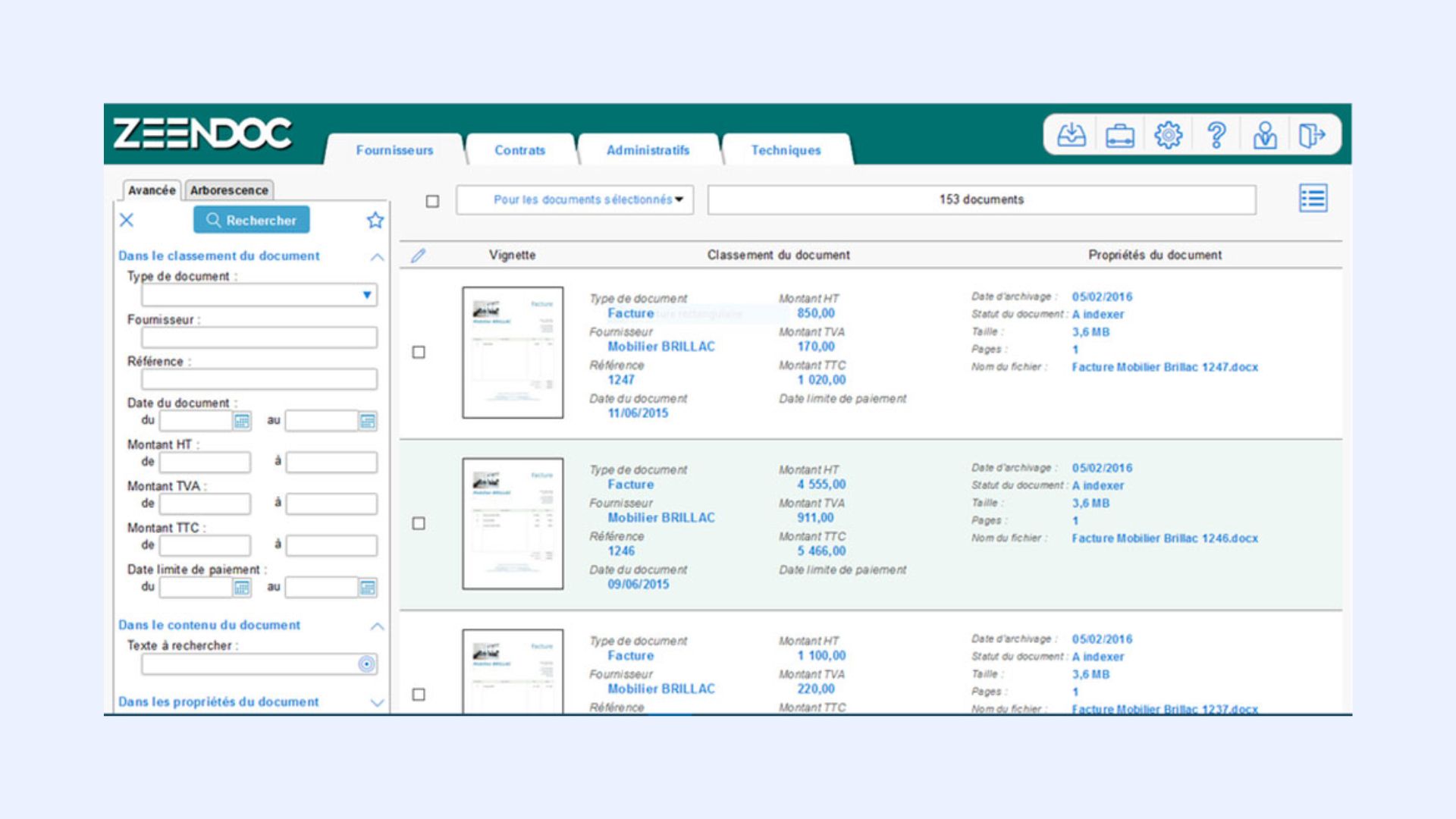
Positioning: Simple SaaS solution, SME-oriented, affordable pricing.
Strengths: Intuitive interface (quick to pick up), rapid deployment (< 1 month), low-cost pricing, accounting export (Sage, Cegid).
Limitations: Basic permissions management (sufficient for SMEs, limited for complex structures), basic search (limited filters), no native ESS portal, limited scalability
Who it's for: SMEs (< 100 employees) with basic HR document management needs, limited budget.
French Company
In short: Simplicity: ✓✓ | Access Management: ~ (Basic) | HRIS: ~ (API) | Search: ✓
Zeendoc = Entry-level HR DMS for SMEs. Store employee files, classify by name/department, search quickly. Basic access management (by user/group). Rapid deployment. Budget: limited
🌐 www.zeendoc.com
Selection criteria based on your profile
Local Authority / Public Institution
Priority criteria:
- Pre-configured public employee classification plan
- Public HRIS connectors (Berger-Levrault, Ciril, HR Access, business software...)
- Very granular rights management : compartmentalization
- France Hosting / Cloud
- Expertise and references
Suitable solutions: Efalia, Nexpublica, NeoLedge, Alfresco
Private Mid-Cap Company
Priority criteria:
- Intuitive interface : rapid adoption without extensive training
- Cross-functionality : contract drafting → probative archiving (A→Z cycle)
- Very granular rights management : employee sees their documents, manager sees their team, HR based on profiles
- Private HRIS integrations (Cegid, Sage, Payfit)
- Scalability: HR department → Finance/Purchasing
Suitable solutions: Efalia, DocuWare, M-Files
Large private account
Priority criteria:
- Scalability (thousands of employees)
- Large account ERP integrations (SAP HR, Oracle HCM)
- Complex rights management : multi-site, multi-country, matrix hierarchies
- Advanced search (large volumes)
Suitable solutions: Efalia, DocuWare, OpenText, M-Files
VSE/SME (few employees, constrained budget)
Priority criteria:
- Simple interface, express deployment (< 1 month)
- Affordable pricing
- Basic uses: storage, search, filing
Suitable solutions: Zeendoc, Open Bee
To go further: from HR document management to your enterprise electronic document management
An effective HR electronic document management platform isn't limited to Human Resources. It can become your cross-functional document platform.
Why? Because the challenges are the same:
- Finance spends 20 minutes looking for invoices (just like HR searches for contracts)
- Procurement juggles supplier contract versions (just like HR with amendments)
- Legal loses traceability of approvals (just like HR with signatures)
The winning approach: Start with one department (often HR: clear processes, manageable volume), prove its value, then gradually extend to other requesting departments.
Result: Shared investment (progressive ROI), cross-departmental communication (end of silos), document consistency (same rules everywhere).
Adapted solutions: Efalia (native multi-department architecture), OpenText (complete ECM suite), DocuWare/M-Files (potential for scalability).
Loire-Atlantique Case: 700,000 HR documents migrated in 4 months. Followed by expansion to Finance and Public Procurement. Today: 50 managers, 3 departments, 1 platform.
Conclusion
Choosing an HR DMS isn't just choosing another tool. It's laying the foundation for reliable and sustainable document management.
The right HR Document Management System? The one you no longer notice.
Key criteria:
- Ease of use (intuitive interface, quick to learn)
- Granular access control (secure partitioning)
- Native HRIS integrations (automatic communication)
- Simplified search (find a document in seconds)
- End-to-end coverage (A→Z cycle)
Your HR teams no longer waste time searching. They work.
Download the full comparison
This guide provides a concise overview (5 essential criteria). The full comparison offers:
✅ 30+ detailed criteria : Security, compliance, automation, scalability, support, costs, deployment times...
✅ Vendor scoring : Scores across 6 key dimensions (compare at a glance)
✅ 2 decision-making frameworks : Local authority | Mid-sized private company (ready-to-use checklist)
✅ Bonus : Guide questions to ask during a demo (Mid-sized companies + Public Sector)
⚠️ Disclaimer: The information presented in this comparison is based on public sources and AI-assisted analyses, compiled in January 2026. It is provided for informational purposes only and does not constitute a contractual recommendation. Features, pricing, and vendor positioning may change. We recommend validating all criteria during a demo with the respective vendors.





.png)